Spasm
A muscle spasm is an involuntary, sudden contraction of a muscle or group of muscles, acting as a protective response to an injury. Spasms are especially common in the spine and frequently signal an unresolved deeper problem.
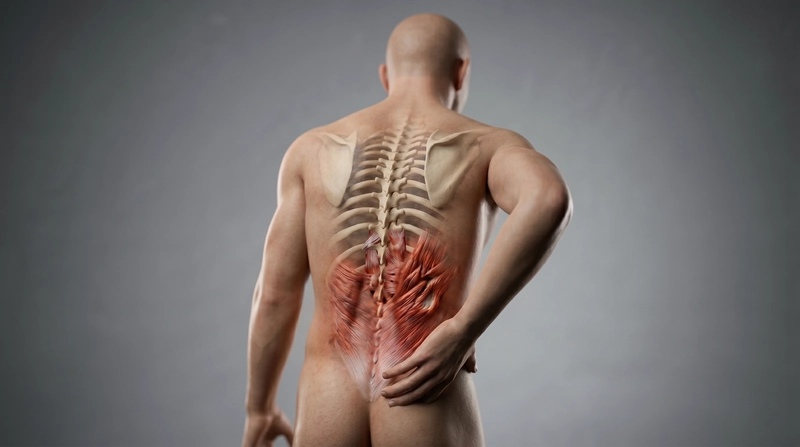
Symptoms
Muscle spasms affect people of all ages and can occur anywhere in the body. In spinal conditions, they are most commonly felt in the neck, upper back, mid back, and lower back — creating a characteristic heavy, rigid sensation that restricts movement.
All ages
teenagers through older adults affected
Protective
spasm is the body's reflex guarding response to injury
4 zones
neck, upper, mid & lower back most commonly affected
Most commonly affected spinal zones:
NeckCervical — head rotation restricted
Upper backThoracic — shoulder blade tightness
Mid backThoracolumbar — trunk rotation limited
Lower backLumbar — bending and lifting painful
You may experience:
Sudden, sharp muscle contraction — often triggered by a specific movement or position
Spasm and pain worst on waking — easing gradually with movement throughout the day
Heavy or restricted movement in the back, neck, legs, feet, hands, or fingers
Pain worsening with prolonged rest, sitting, standing, or walking
Palpable hardness or knot in the muscle that is tender to touch
Pain that comes and goes — triggered by posture changes or sudden movements
Muscle fatigue and weakness following a prolonged spasm episode
Difficulty bending, twisting, or straightening — movement causes sharp, catching pain
Causes
Muscle spasms are almost always a secondary response to an underlying problem. The muscle contracts involuntarily to protect an injured disc, nerve, or joint. Treating only the spasm without addressing its root cause leads to recurrence.
Disc compression & nerve irritationPrimary driver
When a slipped or bulging disc irritates a spinal nerve, surrounding muscles immediately contract as a protective reflex — the body's way of splinting the affected segment. This is the single most common cause of persistent back and neck spasm.
Slip discDisc bulgeNerve compressionMuscle guarding reflex
Occupational strain
Repetitive bending, twisting, heavy lifting, and prolonged sitting overwork spinal muscles over time — leading to micro-tears, fatigue, and eventually involuntary spasm as the muscle reaches its protective threshold.
Heavy liftingProlonged sittingBending & twistingDriving
Lifestyle & posture
Poor posture chronically loads muscles in shortened, unbalanced positions — making them highly susceptible to spasm. Sedentary lifestyle, weight gain, and smoking reduce muscle resilience and blood supply to spinal structures.
Poor postureSedentary lifestyleWeight gainSmokingIncorrect exercise form
Age & degeneration
Degenerative disc disease reduces the shock-absorbing capacity of the spine, transferring more mechanical stress to surrounding muscles — which respond with spasm as their only means of self-protection.
Degenerative disc diseaseReduced disc heightMuscle fatigue
Inflammatory conditions
Inflammatory spinal diseases trigger persistent spasm through sustained nerve and joint irritation — characteristically worst in the morning and continuous rather than episodic.
Ankylosing spondylitisConnective tissue disorderSacroiliitis
Dehydration & electrolyte imbalance
Insufficient fluid intake and low levels of magnesium, calcium, or potassium impair normal muscle electrical function — causing spontaneous contractions unrelated to spinal pathology, especially during or after exercise.
DehydrationLow magnesiumLow potassiumOverexertion
Diagnosis
A thorough history and physical examination are usually sufficient to identify the cause of muscle spasm. The doctor will assess muscle tone, tenderness, range of motion, reflexes, and sensation — then order tests to identify the underlying structural or inflammatory cause.
X-ray
EMG
MRI
Blood tests
Treatment
Effective treatment of muscle spasm requires addressing the root cause — not just the spasm itself. Muscle relaxants and heat provide temporary relief but will not prevent recurrence if the underlying disc, nerve, or joint problem remains unresolved.
Non-surgical spinal decompression
At Spine Science & Beyond, we treat the underlying disc and nerve irritation that triggers the protective spasm — successfully helping thousands of patients without surgery, medications, injections, or exercise programs.
No longer relying on:
Muscle relaxants
Painkillers
Steroid injections
Heat therapy alone
Physiotherapy
Why spinal decompression works for spasm:
Targets the root cause — relieving the disc pressure and nerve irritation that triggers the protective muscle contraction
Completely non-invasive with zero side effects
Reduces intradiscal pressure, allowing the bulging disc to return toward its natural position — removing the stimulus for muscle guarding
Improves blood circulation and promotes natural healing of the disc and surrounding soft tissue
As nerve compression reduces, the protective spasm progressively resolves — restoring natural muscle function and movement
Improves disc quality and height, reducing long-term recurrence of spasm episodes
Persistent or recurring muscle spasm — especially with tingling, numbness, or weakness — signals an underlying structural problem. Do not rely on pain relief alone; seek a proper clinical assessment.