Sprain

A sprain is an overstretch or tear in a ligament.
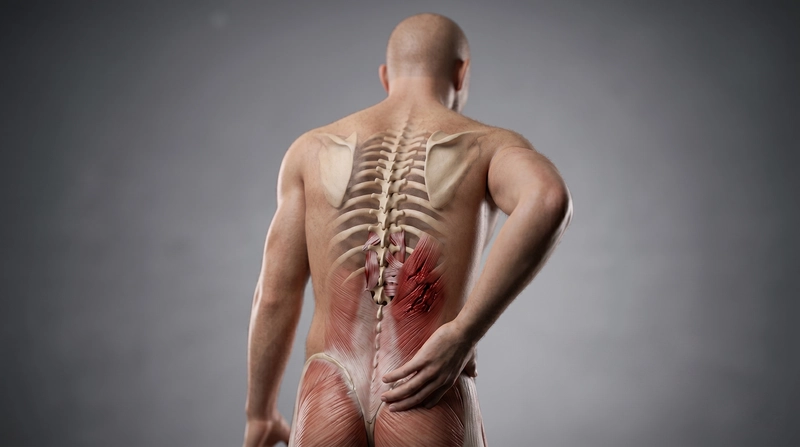
Sprain

Symptoms

The severity of a sprain — and its symptoms — depends on the grade of injury. A Grade I sprain involves minor overstretching with no instability, while a Grade III sprain is a complete ligament rupture that may require surgical repair.

Three grades of ligament sprain:

Grade I — MildOverstretchingFibres stretched but intact. Mild pain and swelling, joint stable.

Grade II — ModeratePartial tearSome fibres torn. Significant swelling, bruising, reduced function, mild instability.

Grade III — SevereComplete tearLigament fully ruptured. Severe swelling, instability, inability to bear weight.

Commonly affected joints:

  • Back

  • Neck

  • Knee

  • Wrist

  • Ankle

  • Shoulder

Common symptoms — severity varies by grade:

Pain or tenderness — sharp on movement, dull at rest

Swelling, inflammation, and localised soreness

Redness, discolouration, and bruising

Restricted range of motion — difficulty moving the joint through its full arc

Heaviness and weakness in the affected limb or joint

Inability to bear weight

Causes

Most sprains result from a sudden, unexpected force that drives a joint beyond its normal range of motion — stretching or tearing the ligament before the surrounding muscles can react to stabilise it.

Sudden twisting or fallMost common

An abrupt change of direction, a misstep, or a sudden trip overloads the ligament in a fraction of a second — before protective muscular reflexes can stabilise the joint. This is the mechanism behind the majority of ankle, knee, and wrist sprains.

Trip and fallLoss of balanceSudden twistingMisstep

Trauma & sports injury

Direct impact from a collision, accident, or contact sport can force a joint into an unnatural position. Repetitive overuse in sport progressively weakens ligament fibres even without a single acute event.

Road traffic accidentsContact sportsRepetitive overuseDirect impact

Poor lifting technique

Lifting heavy weights with incorrect posture — rounded back, twisting under load, or jerking the weight — places extreme rotational stress on spinal and joint ligaments that they are not designed to withstand.

Heavy liftingWrong postureJerking movements

Hormonal & physiological factors

Hormonal changes in females — particularly during pregnancy and around the menstrual cycle — increase ligament laxity throughout the body, raising the risk of sprain under loads that would not otherwise cause injury.

Hormonal imbalancePregnancyLigament laxity

Diagnosis

Sprains are most commonly experienced in the back, neck, knee, wrist, and ankle. A clinical examination is usually sufficient to diagnose the injury and grade its severity — but imaging is ordered to rule out fracture and assess the degree of ligament damage.

  • X-ray

  • MRI

  • CT scan

  • Ultrasonography

X-ray rules out an associated fracture — ligament sprains and bone fractures can feel identical. MRI is the gold standard for visualising ligament tears and grading severity. Ultrasound provides dynamic real-time imaging useful for partial tears. CT scan is reserved for complex injuries involving bony structures.


Treatment

Treatment of a sprain follows a graded approach — from immediate first aid through to rehabilitation and, where needed, clinical intervention. The goal is to reduce inflammation, restore stability, and prevent recurrence.

Immediate first aid — RICE protocol:

R

RestAvoid using the injured joint — protect it from further stress

I

IceApply ice wrapped in cloth for 15–20 min every 2–3 hours for the first 48 hours

C

CompressionWrap with a bandage to limit swelling and support the joint

E

ElevationRaise the injured limb above heart level to reduce swelling

Clinical treatment at Spine Science & Beyond

For sprains involving the back and neck — particularly where ligament injury has destabilised the spine or is associated with disc involvement — our non-surgical approach addresses both the ligament injury and any secondary spinal effects without surgery, injections, or prolonged medication.

No longer relying on:

Steroid injections

Prolonged painkillers

Surgery

Immobilisation alone

How our treatment helps:

Targets the root cause — reducing inflammation and joint instability rather than masking symptoms

Completely non-invasive with zero side effects

Improves blood circulation and nutrient delivery to the injured ligament, accelerating natural healing

For spinal sprains with disc involvement, reduces intradiscal pressure and relieves secondary nerve compression

Progressively restores range of motion, reduces pain, and rebuilds joint stability

Guidance on posture correction, load management, and injury prevention to reduce recurrence risk

A Grade III (complete) ligament tear — particularly at the knee or ankle — may require surgical repair. Always seek a clinical assessment to determine the appropriate treatment pathway.

Book Your Consultation

95% successful rate.

Ready To Live Pain-Free?

Take the first step towards healthier life today. No Surgery. Just Science.